Duration: 2 hours
Type of tour: Walking tour / Private
Number of participants: up to 10 people
Includes: Professional guide services
Excludes: Visit to the Great Synagogue (available upon request / paid separately)
Cancellation Policy: Free cancellation is available up to 24 hours before the tour start time
Price: €120 / Tour
The indicated maximum number of participants means that this tour is intended for a single booking (e.g., a family, a group of friends, or colleagues). You can be sure that your journey will be comfortable and private, tailored to your needs and schedule.
In the very heart of Pest lies a triangular area of narrow streets that has witnessed both the brightest and darkest chapters of Budapest’s Jewish history. From the remarkable flourishing of the community in the mid-19th century — marked by the construction of magnificent synagogues — to the persecutions of the 20th century and the establishment of the ghetto, this district serves as the main stage of Hungarian Jewish history.
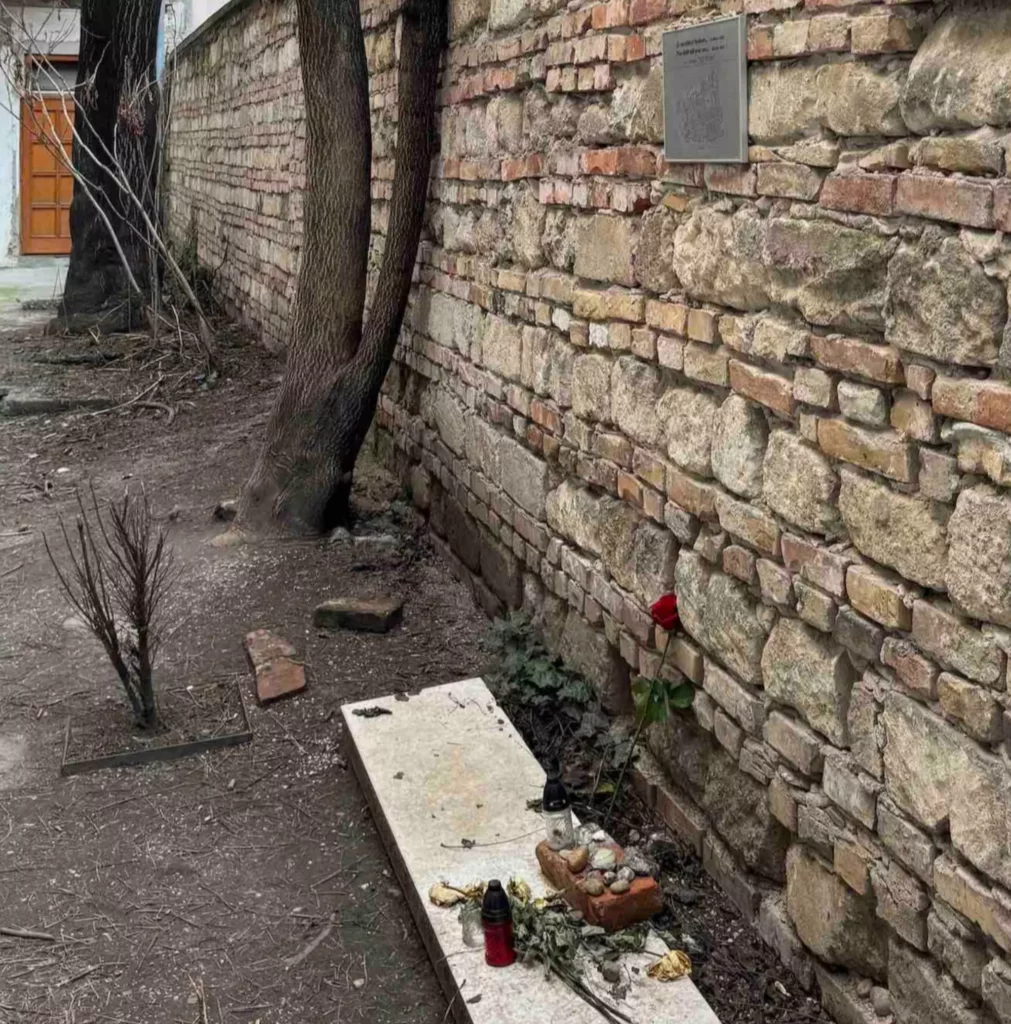
During the tour, you will see the most important landmarks connected with the life of Hungarian Jews and explore one of the most colorful neighborhoods of Budapest. Elegant buildings in the styles of Classicism, Romanticism, Eclecticism, and Art Nouveau (Secession) reveal hidden inner courtyards and former gardens, creating a unique urban atmosphere.
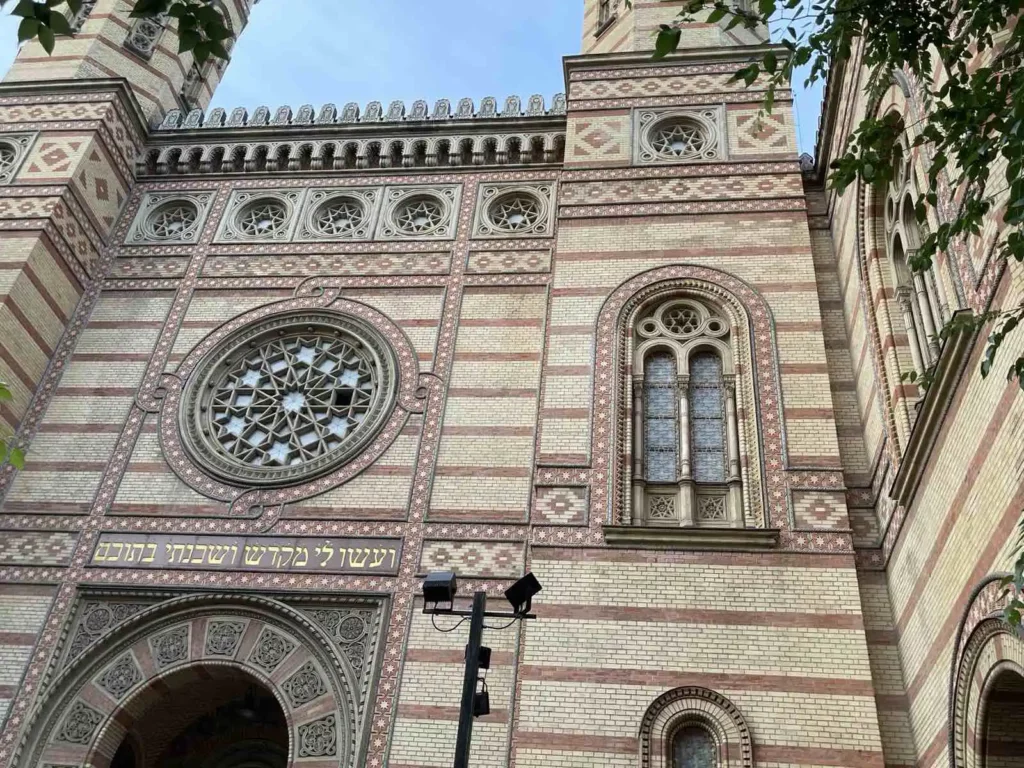
The Great Synagogue of Dohány Street, the largest synagogue in Europe, is one of the highlights of the tour. Covering an area of 1,200 square meters, it can accommodate up to 3,000 visitors. Today, it is not only a major center of Jewish culture but also one of Budapest’s most visited attractions. Thanks to its exceptional acoustics, concerts are frequently held inside.
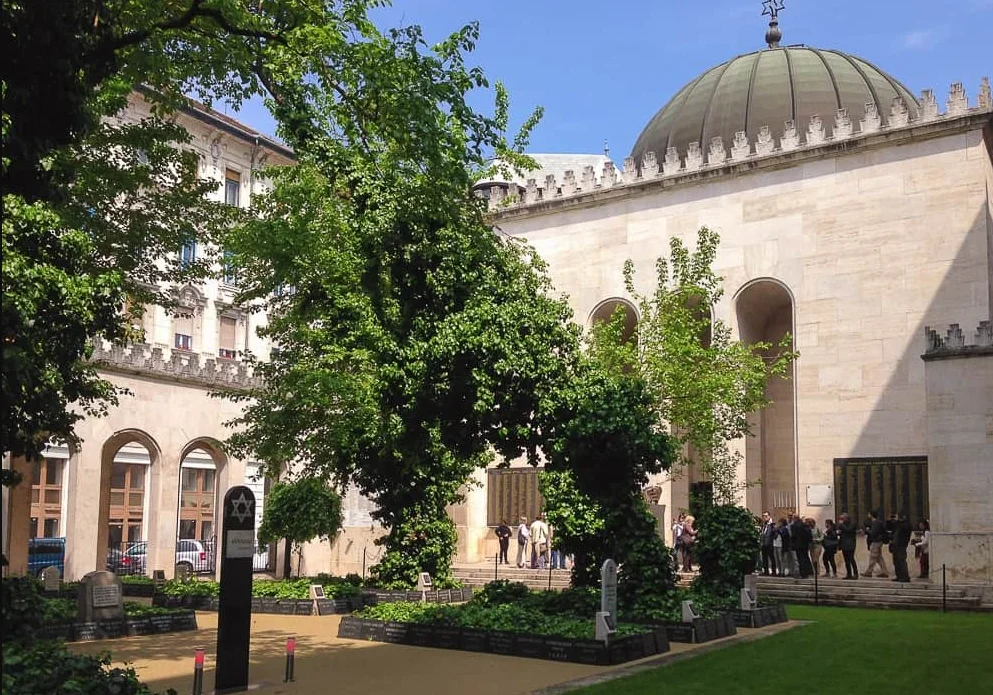
In the synagogue courtyard, you will find the Budapest Jewish Museum, founded in the 1930s, as well as the Heroes’ Temple, built in memory of Jewish soldiers who fell during World War I. Inside the museum, a local guide presents Hungarian Jewish heritage through art from Hungary and Eastern Europe, explaining Jewish traditions, holidays, and daily life. A separate room is dedicated to the Hungarian Holocaust.
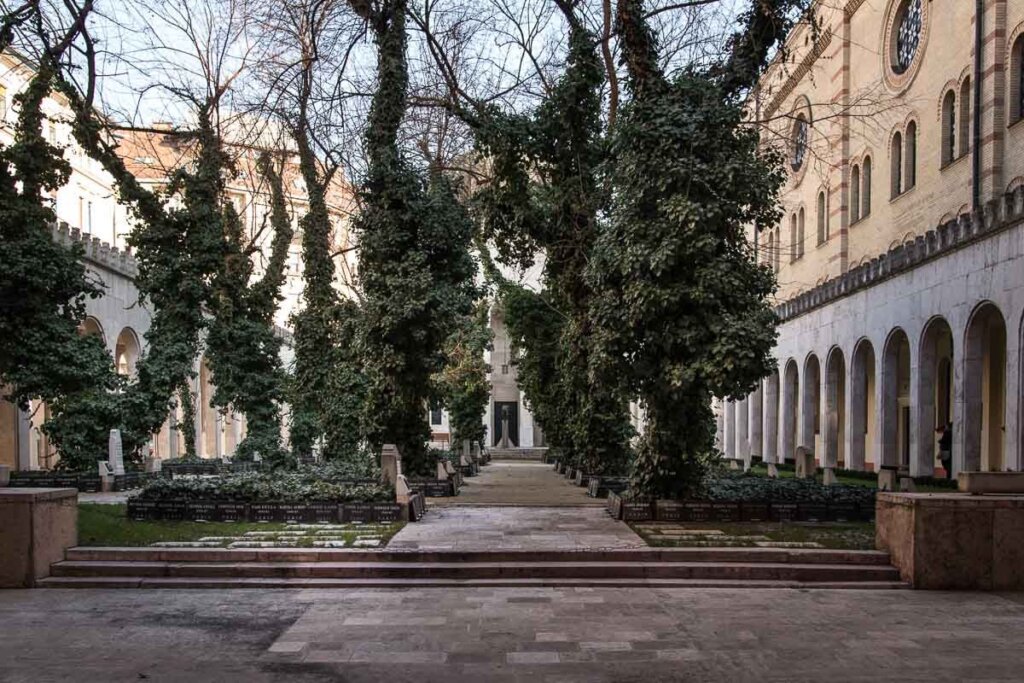
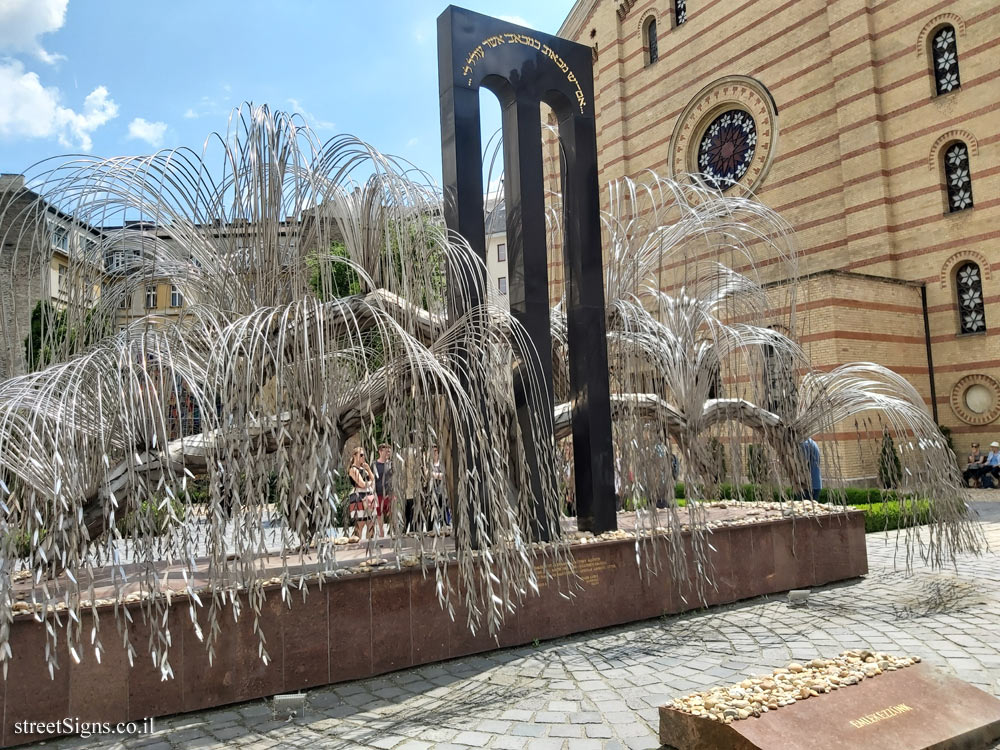
We will also visit the Raoul Wallenberg Memorial Park, dedicated to the Swedish diplomat who saved thousands of Hungarian Jews during World War II. The park commemorates the 600,000 Hungarian Jews who perished in the Holocaust. At its center stands the powerful Tree of Life memorial — a metal weeping willow, with each leaf symbolizing a victim, engraved with names.
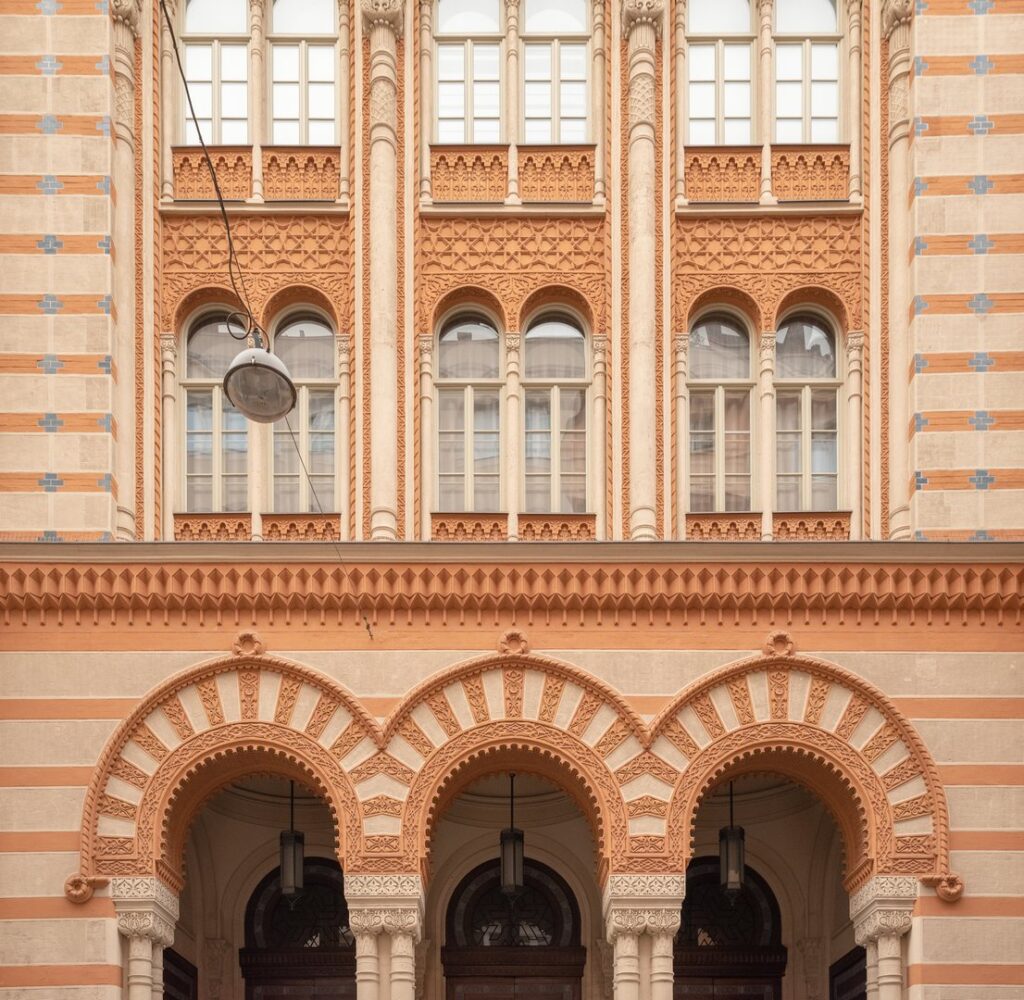
The tour continues past the Rumbach Sebestyén Street Synagogue (viewed from the outside) and through the surrounding Jewish Quarter — a place of striking contrasts. Once-grand buildings, now bearing the marks of time, retain their beauty and charm. The area is famous for its vibrant nightlife, peaceful Saturdays, kosher restaurants, traditional shops, and the lively Gozsdu Courtyard.
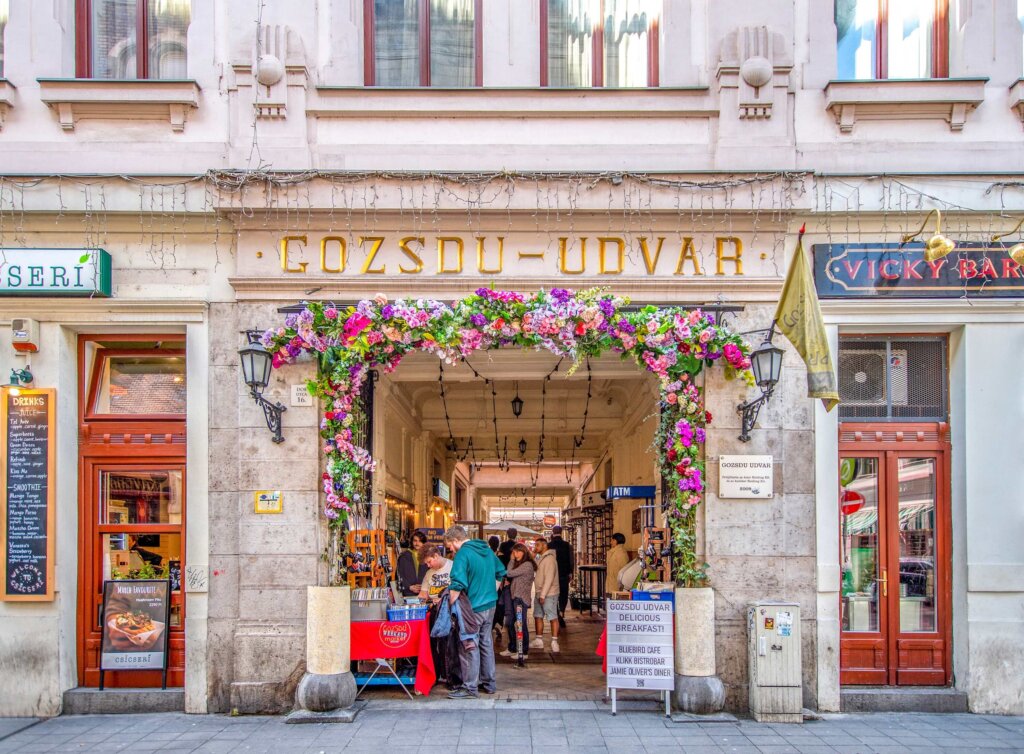
Ruin Bars of the Jewish Quarter
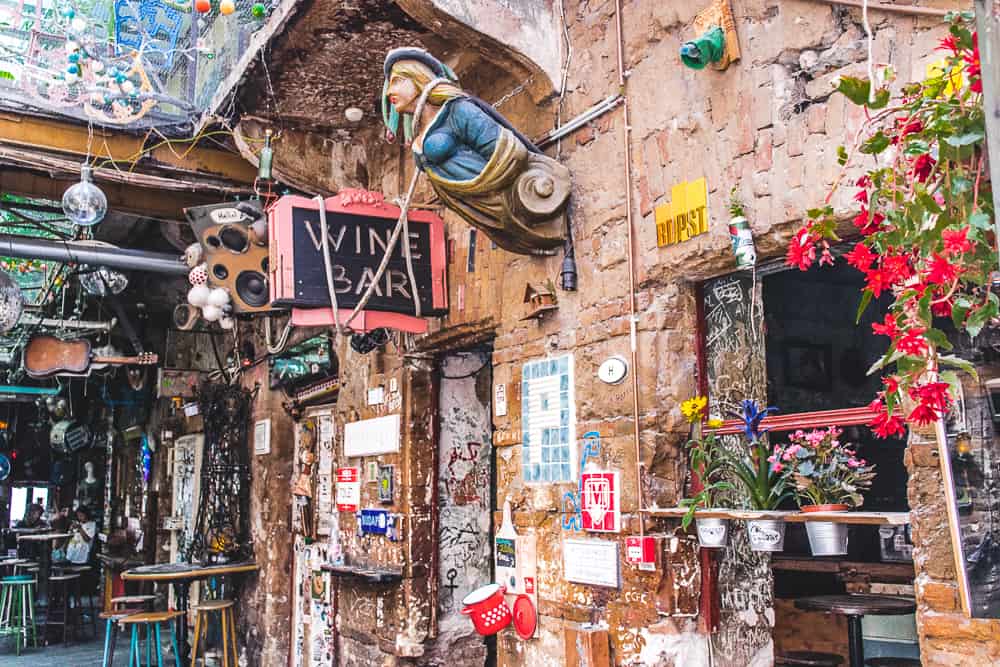
In recent decades, the Jewish Quarter has also become famous for its unique ruin bars — a phenomenon that emerged in abandoned or semi-derelict buildings after the fall of socialism. Instead of demolishing these historic houses, young entrepreneurs transformed them into creative social spaces, preserving their raw interiors, courtyards, and traces of the past.
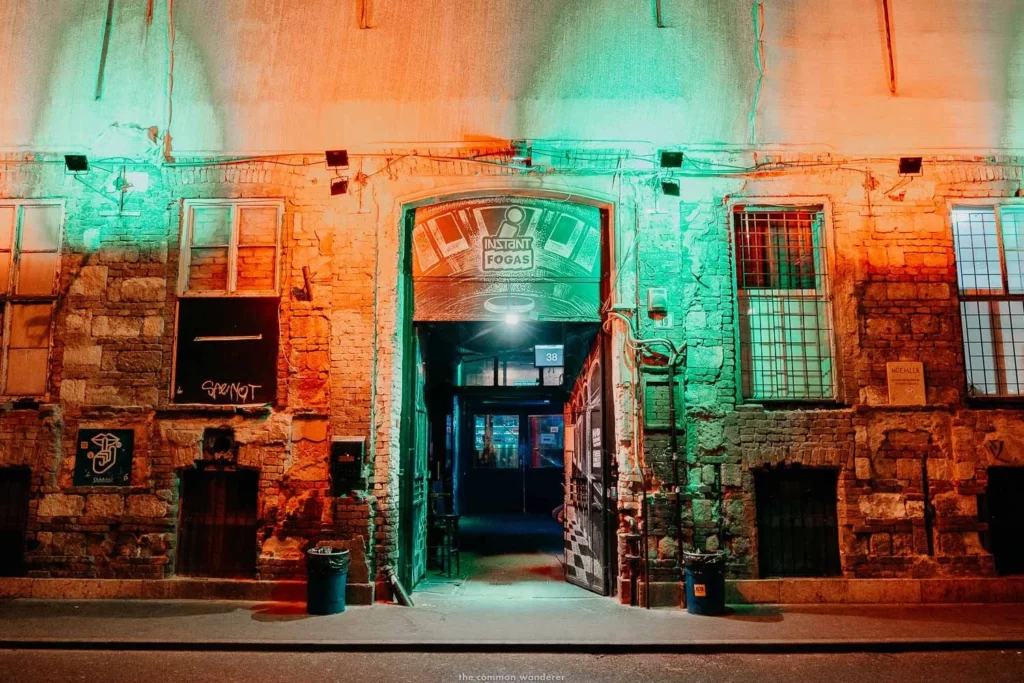
Today, ruin bars are an essential part of Budapest’s contemporary urban culture. They combine eclectic design, vintage furniture, street art, and a relaxed atmosphere, turning former neglected buildings into vibrant meeting points. The most famous ruin bars of the city are located precisely in the Jewish Quarter, making this area a striking contrast between memory, history, and modern life.
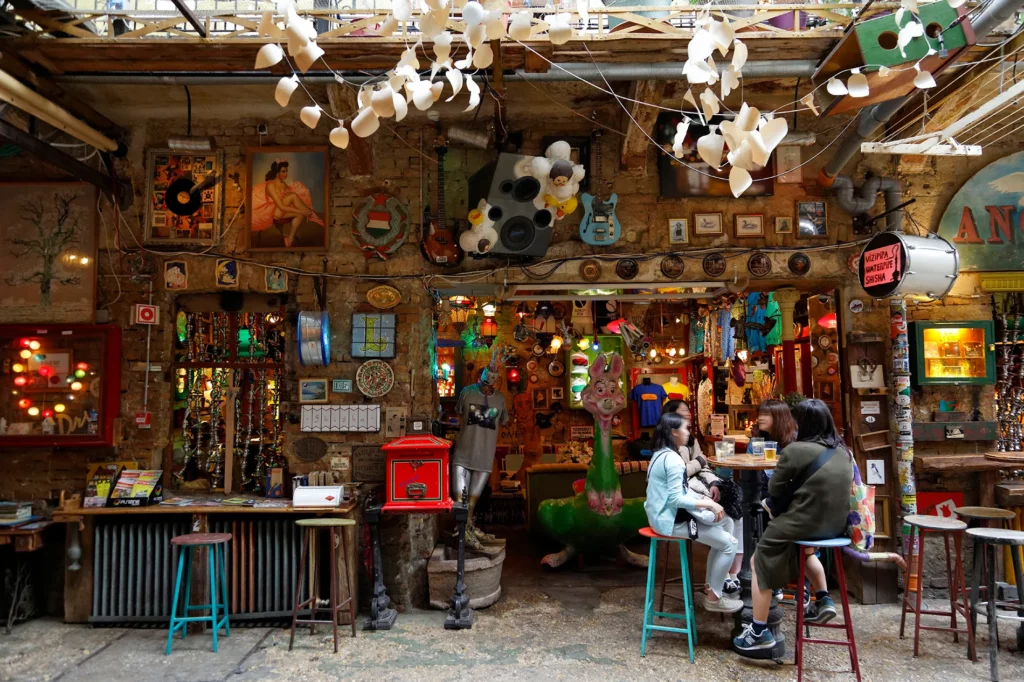
During the walk, you will learn how ruin bars helped revive the district, how they coexist with its historical and religious heritage, and why the Jewish Quarter is known both for its sacred landmarks and for having the liveliest nightlife in Budapest.
Getting Around Budapest?
Book a private transfer - from €36. Licensed drivers, fixed prices, 24/7 support.

Related Articles




You Might Also Like